ServicesLawn Care
Lawn Care in Windermere
A brown patch can mean chinch bugs, fungus, a dry sprinkler zone or grass cut too short. Each needs a different fix. We look first, explain what we found, then mow, feed and treat your lawn so the money you spend goes to the right problem.
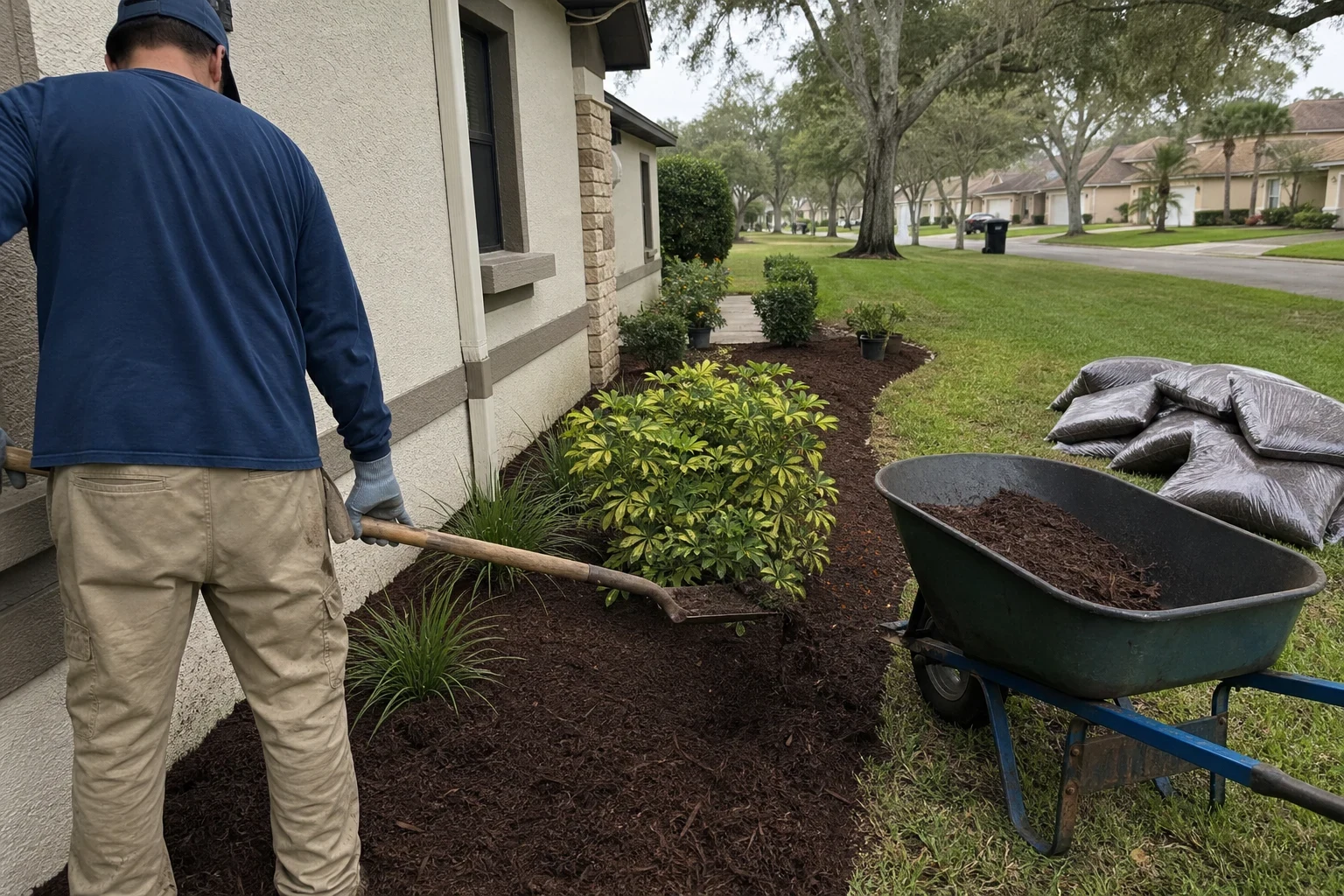
Lawn care that starts with a closer look
Most lawns around here are St. Augustine, with some Zoysia and Bahia mixed in. These grasses grow fast in summer, slow down in winter and react quickly to stress. When something goes wrong, the symptoms often look alike from the street. Yellow, thin or dead areas can come from insects, disease, poor watering or the mower itself.
So before we spread fertilizer or spray anything, we walk the lawn with you. We pull back the grass at the edge of a bad spot, check the soil moisture, look at the blades for fungus lesions and watch how the sprinklers cover the yard. Then we tell you plainly what is going on and what it will take to fix it.
After that, regular visits keep your home's lawn cut at the right height, fed on a sensible schedule and watched for trouble before it spreads.
What our lawn care includes
Mowing at the right height
St. Augustine does best kept tall, around three and a half to four inches. Cutting it short invites weeds and heat stress, so we set the mower for your grass type, not a one-size setting.
Edging and cleanup
We edge along driveways, walks and beds, then blow clippings off hard surfaces so you are not tracking grass into the house.
Fertilizing on a seasonal schedule
Feeding is timed to when your grass can actually use it and follows local seasonal fertilizer rules. Sandy soil lets nutrients wash through fast, so smaller, well-timed applications work better than heavy ones.
Weed control
We identify the weeds before treating, since dollarweed, sedge and crabgrass each respond to different products and often point to a watering or mowing issue underneath.
Insect and disease checks
Each visit includes a look for chinch bug damage, sod webworms and fungus such as large patch. Catching them early usually means treating a small area instead of the whole yard.
Sprinkler observations
If we see dry stripes, soggy corners or heads spraying the sidewalk, we point them out. Bigger fixes are handled through our irrigation service.
Signs your lawn needs attention
Spreading yellow or brown patches
Patches that grow outward, especially in sunny spots near pavement, are a classic sign of chinch bugs. Circular patches with a darker edge in cooler, damp weather point more toward fungus.
Weeds taking over
Lots of dollarweed usually means too much water. Crabgrass often follows mowing too low. Pulling weeds without fixing the cause just makes room for more.
Grass that feels spongy or thin
Thatch buildup or shallow roots can make turf soft underfoot and quick to brown in the heat.
Damage that keeps coming back
If you have treated the same spot more than once and it returns, the original diagnosis was probably off. That is exactly the kind of lawn we like to look at.
How a lawn care visit works
- 1
A free walkthrough
You call, we set a time and walk the lawn with you. We check the grass type, soil, problem areas and sprinkler coverage, and ask what you have tried so far.
- 2
A plain answer and a written estimate
We explain what we found and what we recommend, including when a problem is better solved another way, like resodding a dead section through our sod installation service. The estimate lists each item so nothing is a surprise.
- 3
Regular service visits
Our crew mows, edges, trims and treats as planned, then cleans up hard surfaces before leaving. If a visit turns up something new, we let you know what we saw.
- 4
Adjusting through the year
Mowing frequency, feeding and watering advice change with the seasons. We adjust the plan as summer growth speeds up and winter slows things down.
What affects the cost of lawn care
Every yard is different, so we price your lawn care after we have walked it with you. Your estimate shows mowing, treatments and any repair work as separate lines. That way you can see exactly where the money goes and choose what to do now and what can wait.
- Lawn size and layout
- More square footage takes more time. Lots of beds, trees and tight corners add trimming work compared with an open yard.
- Visit frequency
- Lawns need cutting more often in the summer growing season than in winter, and your schedule shapes the overall cost.
- Treatments needed
- A healthy lawn may only need routine feeding. Active chinch bugs, fungus or a heavy weed problem add targeted treatments.
- Condition of the turf
- Areas that are too far gone may cost less to replace than to nurse back. We tell you honestly which makes more sense.
Lawn care questions
Something not covered here? (407) 759-3842
How do you know whether it is bugs or fungus?
We look closely at the edge of the damaged area. Chinch bugs leave yellowing grass next to healthy grass and can often be spotted at the soil line. Fungus usually shows lesions on the blades and tends to appear in rings during cooler, wet stretches. We tell you what we see before treating either one.
How often should my lawn be mowed?
In the warm months most St. Augustine lawns need weekly mowing. In winter, growth slows and every other week is often enough. We set the schedule around how fast your grass is actually growing.
Can you fix my lawn if the problem is the sprinklers?
We will show you where coverage is off during our walkthrough. Repairs, head adjustments and timer changes are handled through our irrigation service, so you can have both looked after by the same company.
Will you tell me if my lawn needs to be replaced?
Yes. If a section is dead to the roots or the grass type is wrong for the spot, more treatment will not help. We will explain your options, including new sod, and let you decide.
Is financing available if my lawn needs bigger work?
Yes. When a lawn turns into a larger project, such as replacing turf across the yard, you can spread the cost out. We offer financing of up to $100,000, with terms anywhere from two to twelve years, and you will not be penalized for paying it off early. Ask about it when you call for your estimate.
Do I need to be home for visits?
Only for the first walkthrough, so we can go over the lawn together. After that, just make sure gates are unlocked and pets are inside on service days.
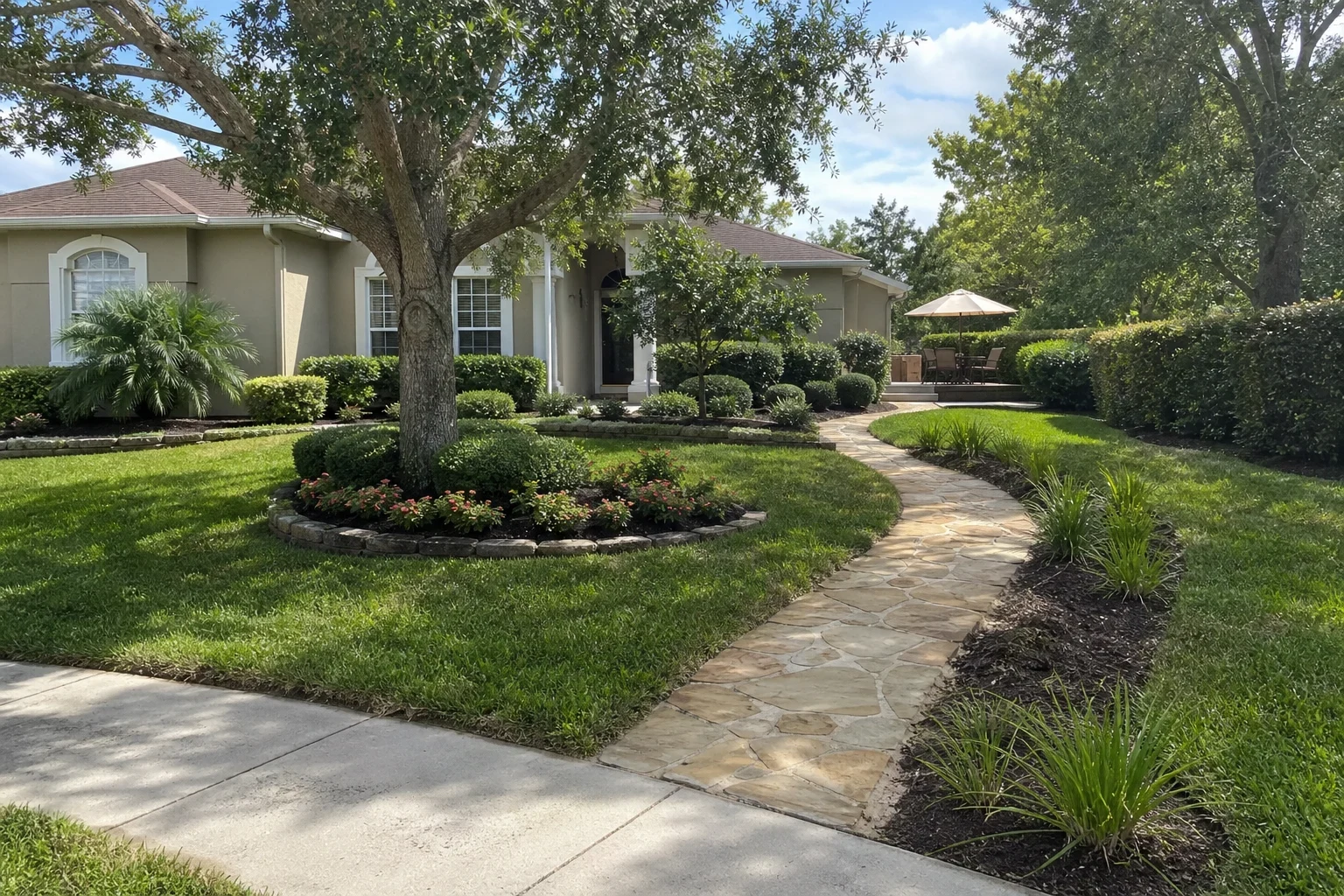
Find out what your lawn really needs
We will walk your yard, explain what is causing the trouble and give you a clear estimate. No guesswork and no paying for treatments that are not needed.