ServicesMulch and Beds
Mulch and Bed Service in Windermere
We refresh mulch, cut clean edges and rebuild tired planting beds around your home. Before we spread a single bag, we look at why the old mulch thinned out or the weeds came back, so the new bed holds up longer than one season.
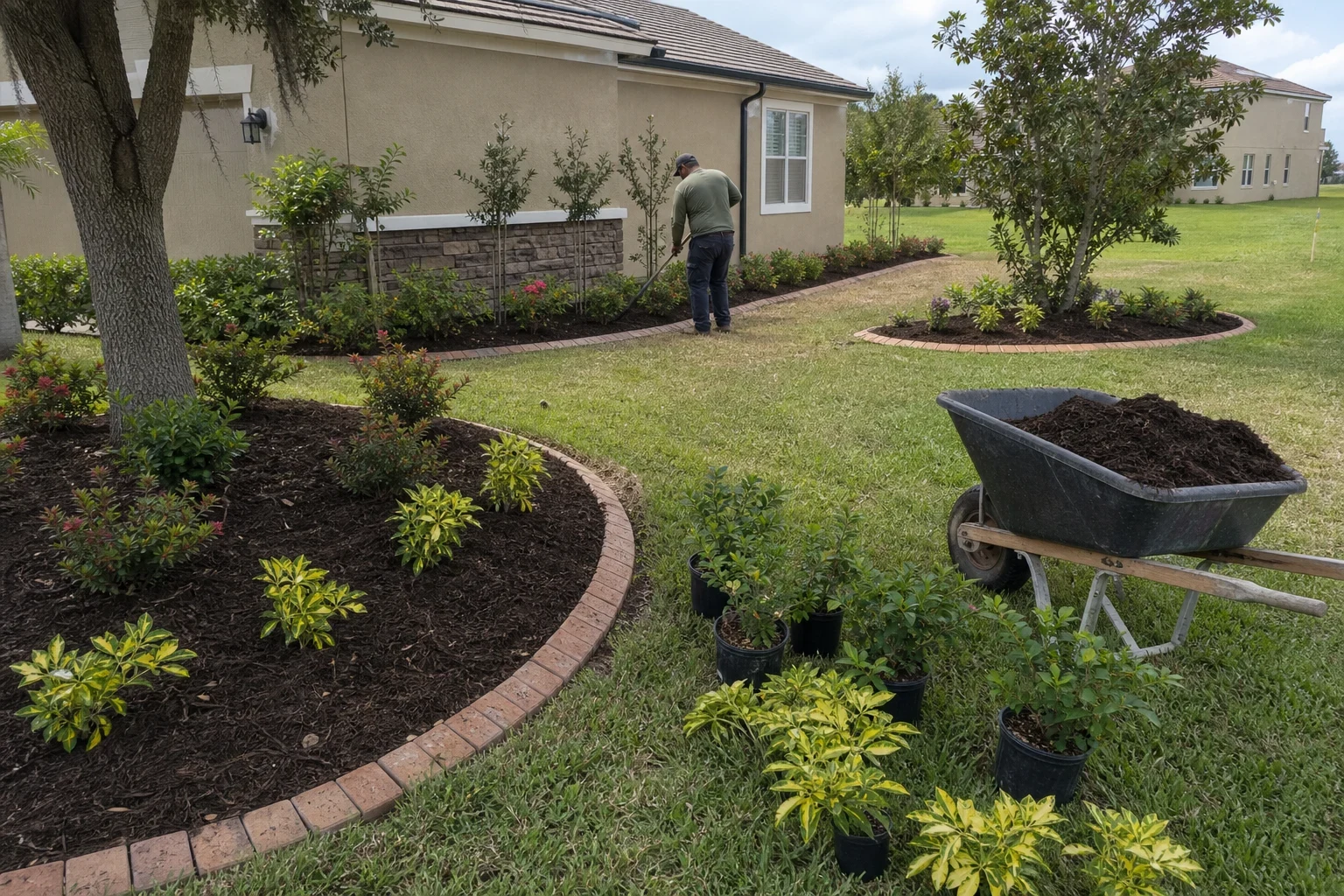
Beds that look good and stay that way
New mulch hides a lot. That is the problem. If sprinkler overspray is washing it into the lawn, or nutsedge is growing up through the old layer, a fresh top coat looks great for a few weeks and then the same trouble shows through.
So our first visit is a short look at what is going on. We check how deep the old mulch is, whether it is packed against trunks or the foundation, where water runs during a hard summer storm, and which weeds are present. Then we tell you what the bed needs, which is sometimes less than you expected.
Most jobs are a straightforward refresh. Some need weed removal, new edging or a few plants swapped out. A few need a bigger rethink, and for those we may suggest our landscape design service instead.
What our mulch and bed work includes
- Weed removal by the root
- We pull weeds and their runners before mulching instead of burying them. Nutsedge and dollarweed come right back through a fresh layer if the roots stay.
- Clean, defined edges
- We cut a crisp edge between bed and lawn so grass stops creeping in and mulch stays where it belongs. If you want a border material, we can talk through the options.
- Mulch at the right depth
- We spread to about two to three inches, which holds moisture and blocks weeds without smothering roots. The base of each tree stays uncovered so the bark can breathe, and next to your home we hold the mulch a few inches off the slab.
- Your choice of material
- Pine bark, pine straw, cypress blend, eucalyptus or a dyed hardwood. We explain how each one breaks down, holds color and handles heavy rain so you pick what fits your yard.
- Plant checks and replacements
- We look at shrubs and groundcover in the bed and point out anything stressed, diseased or in the wrong light. Swapping a plant is optional and always your call.
- Cleanup when we finish
- We blow mulch off walkways, the driveway and the lawn, and haul away pulled weeds and old debris.
Signs your beds need attention
Bare soil showing through
Mulch breaks down faster in heat and humidity. Once you see dirt, weeds have an open door and the soil dries out quickly.
Weeds that keep returning
If you pull the same weeds every few weeks, the roots are likely still in the bed or the layer is too thin to block light.
Mulch washing onto the lawn or walk
This usually points to a water problem, like a sprinkler head aimed into the bed or runoff from a slope. Fixing the cause matters more than adding mulch.
Mulch piled against trunks
Deep piles around trees and shrubs trap moisture against the bark and invite rot and pests. We spread it back out to a healthy level.
Edges that have disappeared
When grass grows into the bed and the line blurs, the whole yard looks untidy even if the lawn is mowed.
How a mulch and bed visit works
- 1
A free look at your beds
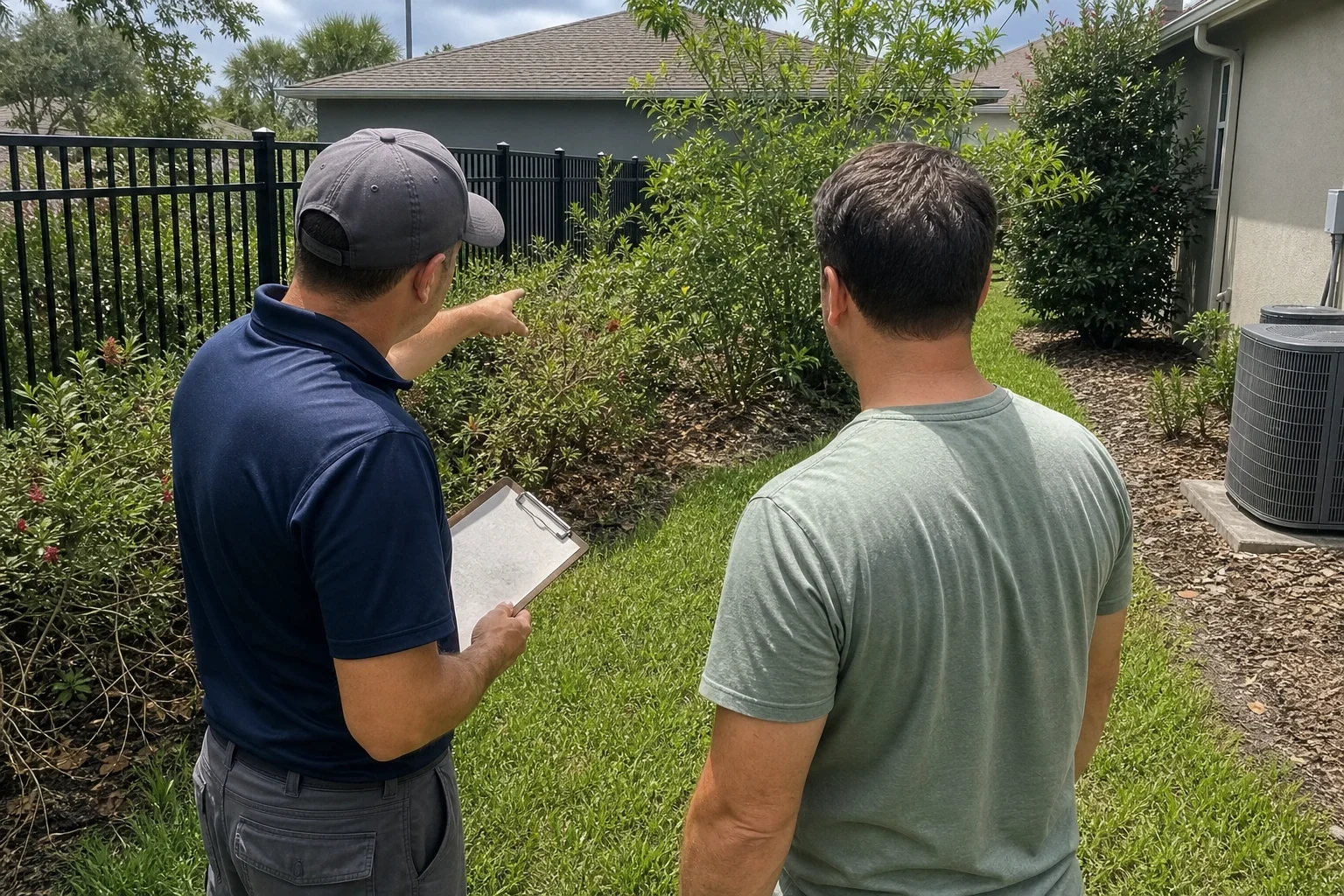
We walk the beds with you, note the depth of old mulch, the weeds, drainage and plant health, and ask what bothers you most. You get a free estimate that lists what we plan to do.
- 2
Prep the beds
On the work day we pull weeds, remove excess old mulch if it has built up too high, and trim back anything spilling over the edge.
- 3
Edge and fix the cause
We recut the edges and handle what we found on the walkthrough, such as regrading a low spot. If a sprinkler is soaking the bed, we flag it and our irrigation service can adjust it.
- 4
Spread and clean up
We lay the mulch evenly, keep it off trunks and the foundation, then clean every hard surface and the lawn before we leave.
What affects the cost
Every yard is different, so we price after seeing your beds instead of guessing over the phone. Your estimate lists each part of the job so you can see where the money goes. When bed work is part of a bigger project, you can spread the cost out with financing of up to $100,000, terms anywhere from 2 to 12 years, and no penalty for paying it off early.
- Bed size and number
- Total square footage sets how much material we need and how long spreading takes.
- Mulch type
- Pine straw, bark and dyed hardwood differ in price and in how often they need topping off.
- Weed load and old mulch
- Beds overrun with weeds or buried under years of old mulch take more prep before anything new goes down.
- Edging and plant work
- New edging, regrading or replacing plants adds labor and materials beyond a simple refresh.
- Access
- Beds in a fenced backyard or behind a pool cage mean more carrying than beds along the driveway.
Common questions about mulch and beds
Something not covered here? (407) 759-3842
How long does a fresh layer of mulch last?
With our summer heat and afternoon downpours, organic mulch usually needs a top-off once or twice a year. Pine straw fades and settles sooner than bark does. On every visit we tell you honestly whether your beds need a full layer or just a touch-up, so you are not paying for more than you need.
Will mulch near my house attract termites?
Mulch does not attract termites on its own, but keeping it piled against your foundation holds moisture there. We leave a gap along the slab and keep the layer at a sensible depth, which is a good habit for any home.
Should you put landscape fabric under the mulch?
Usually we do not recommend it in planting beds. Over time mulch breaks down on top of the fabric and weeds root right into it. Pulling weeds properly and keeping the right depth works better for most yards.
Can you just add mulch on top of the old layer?
Sometimes, if the old layer is thin. If it has built up past a few inches or is matted and crusted, we remove some first so water can reach the roots.
Do you work in the towns around Windermere?
Yes. We handle mulch and bed work across the area, including Winter Garden, Ocoee, Horizon West and Doctor Phillips. Our service areas page lists the rest.

Let us take a look at your beds
We will walk your beds, tell you why they look the way they do, and give you a clear plan with no pressure. If a fresh layer is all you need, that is what we will say.