ServicesSod Installation
Sod Installation in Windermere
New sod looks great on day one. Whether it still looks great in three months depends on why the old lawn failed. We find that cause first, fix it, and then lay grass suited to the sun, soil and water your yard actually has.
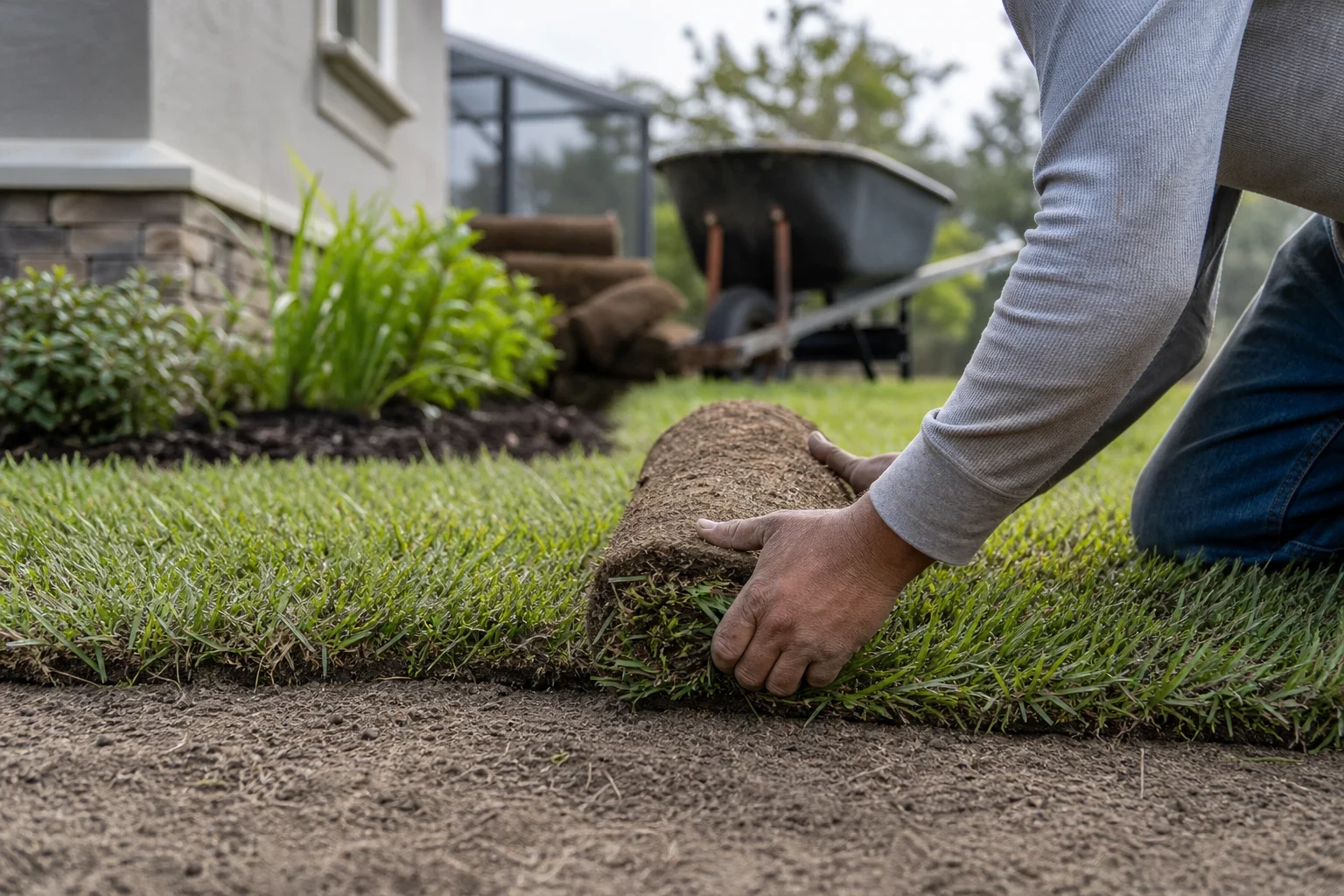
Fresh Sod, Laid on Ground That's Ready for It
Most bare or thinning lawns didn't fail by accident. A sprinkler zone that never reaches one corner, a live oak that now shades half the yard, chinch bugs working through St. Augustine in the heat, or packed soil that sheds water instead of soaking it in. Lay new sod over any of those problems and you pay for the same lawn twice.
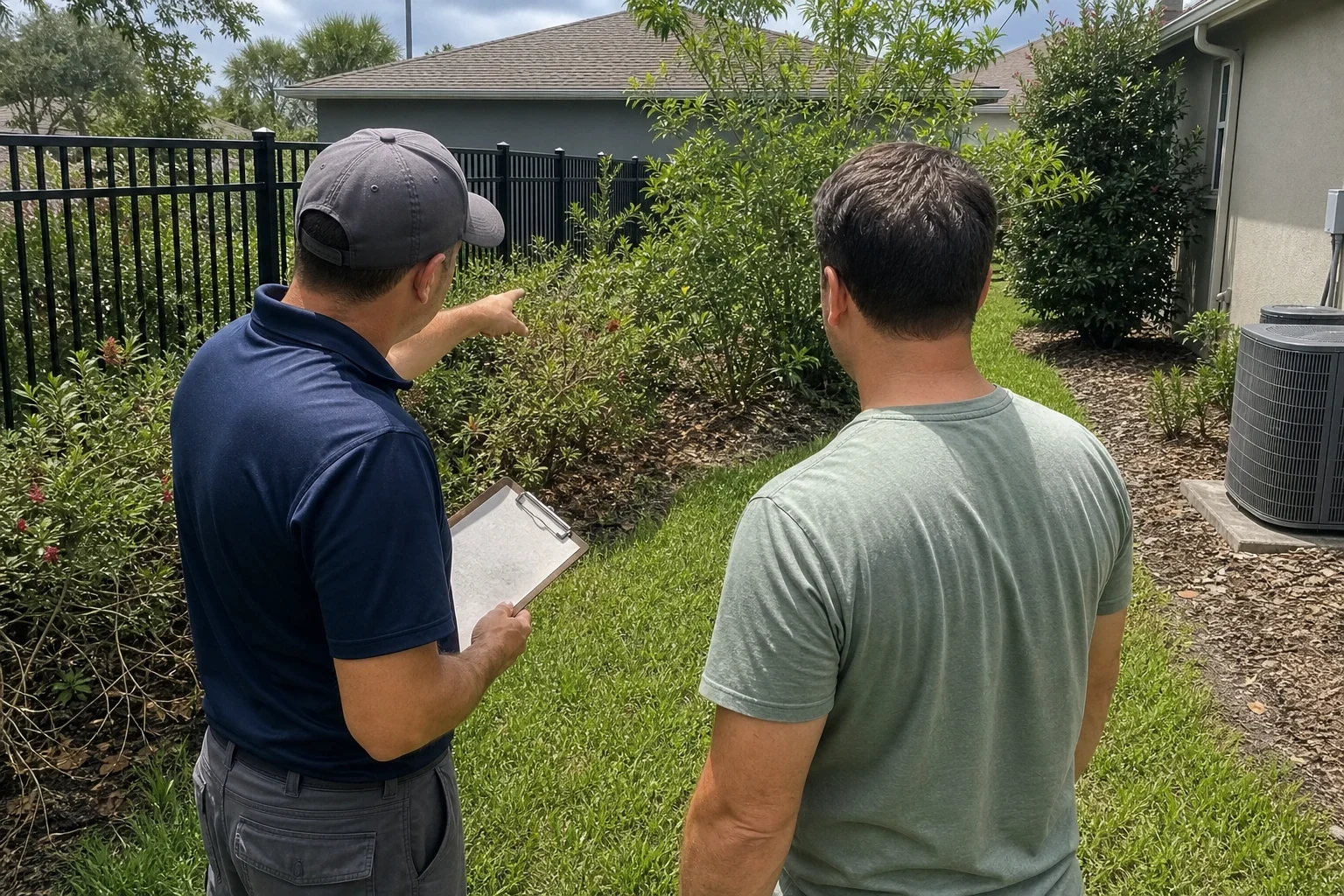
So we start by walking your yard and looking at what went wrong. Then we tell you plainly what has to change, whether that's a sprinkler head adjustment, a different grass variety for the shady side, or simply removing the old turf and loosening the ground. Sometimes the honest answer is that part of the lawn can be saved with good lawn care and only the dead patches need new sod. We'll say so.
What Our Sod Installation Covers
Finding the cause
We check irrigation coverage, shade patterns, drainage, soil compaction and signs of insects or disease. You get a clear explanation of what killed the old grass before any new grass goes down.
Removing the old turf
Dead grass, weeds and roots are cut out and hauled away. Laying sod over old turf leaves an air gap that keeps new roots from reaching soil.
Grading and soil prep
We loosen compacted ground, fill low spots that hold water and slope the surface away from your home's foundation. A smooth, firm base helps every piece make full contact.
Choosing the right grass
Floratam St. Augustine handles full sun well, some St. Augustine varieties tolerate more shade, Zoysia gives a finer look, and Bahia is tough on large open areas. We match the variety to each part of your yard.
Laying and rolling
Fresh pallets are laid the same day they arrive, with tight seams and staggered joints like brickwork. We roll it to press roots against the soil and water it in before we leave.
A watering plan you can follow
You get a simple schedule for the first few weeks, and if you have a system we set the timer to match. If your sprinklers need real work, our irrigation service can handle it first.
Signs It's Time for New Sod
- Bare patches that keep spreading
- If brown spots grow each summer despite watering and fertilizing, the grass in that area may be past recovery.
- More weeds than grass
- When weeds have taken over most of a section, killing them often leaves you with bare dirt. Replacing that area is usually faster than trying to coax grass back.
- Grass dying in the shade
- A tree that has grown in over the years can starve a sun-loving lawn. New sod in a shade-tolerant variety, or a bed instead of grass, fixes the real problem.
- Puddles and soggy spots
- Standing water after a summer storm points to low spots or compacted soil. Regrading before resodding stops the rot from coming back.
- Torn-up ground after a project
- Construction, a pool install, stump grinding or tree removal can leave raw soil behind. Sod gives you a finished lawn in a day instead of waiting on seed.
How a Sod Job Goes
- 1
Walkthrough and estimate
We visit, look at the problem areas, measure the square footage and explain what's behind the damage. You get a free written estimate that shows prep, grass and labor as separate lines.
- 2
Fixing what's underneath
Any sprinkler adjustments, regrading or drainage work happens first. There's no point in fresh sod over a zone that still doesn't get water.
- 3
Install day
We strip the old turf, prep the soil, lay and roll the sod, and water it thoroughly. Most average yards are finished in a single day, and we clean up the driveway and walks before we go.
- 4
The first few weeks
You follow the watering schedule while the roots knit in, usually two to three weeks. If something looks off, give us a call and we'll come take a look.
What Affects the Price of Sod
Sod is priced mostly by area, but the prep underneath often matters as much as the grass itself. We put every item on the estimate so you can see where the money goes. For a larger lawn or a combined project, you can pay over time: we finance amounts up to $100,000, with terms anywhere from two to twelve years, and there's no penalty if you pay it off early.
- Square footage
- Larger areas need more pallets and more labor, though the cost per square foot often drops as the job grows.
- Grass variety
- Bahia is generally the most economical, St. Augustine sits in the middle, and Zoysia usually costs more per pallet.
- Removal and soil work
- Thick dead turf, heavy weeds, regrading or added soil all add time. A yard that only needs a light strip costs less to prep.
- Access
- A wide gate and clear path let us move pallets by machine. Tight side yards and fenced backyards mean more carrying by hand.
- Irrigation fixes
- If heads need moving or a zone isn't covering, that work is quoted separately so you can see exactly what it adds.
Sod Installation Questions
- Can you lay new sod right over my old grass?
- We don't recommend it. Old turf and thatch keep the new roots from reaching soil, so the sod dries out and dies even with regular watering. Removing the old layer is the step that makes the new lawn last.
- What time of year is best for sod here?
- Late spring through summer is ideal because warm-season grasses root fastest in heat, and the afternoon rains help with watering. Sod can go down in cooler months too, it just roots more slowly and needs a little more patience.
- How often do I water new sod?
- Plan on daily watering for roughly the first week or two so the soil stays moist under the sod. After that we taper it back over a few weeks toward a normal schedule. We'll leave you written instructions and set your timer if you have a system.
- When can we walk on it or mow?
- Keep foot traffic light for about two weeks while roots grab hold. A gentle tug on a corner will tell you: if it resists, it's rooting. The first mow is usually around two to three weeks in, on a high setting.
- Which grass is right for my yard?
- It depends on how much sun each area gets, how you use the yard and how much upkeep you want. We'll look at the space during the walkthrough and explain the tradeoffs between St. Augustine, Zoysia and Bahia in plain terms.
- Do you handle the lawn after it's installed?
- Yes. Our lawn care service covers mowing, feeding and keeping an eye out for pests once the new grass is established, so the lawn you paid for stays healthy.
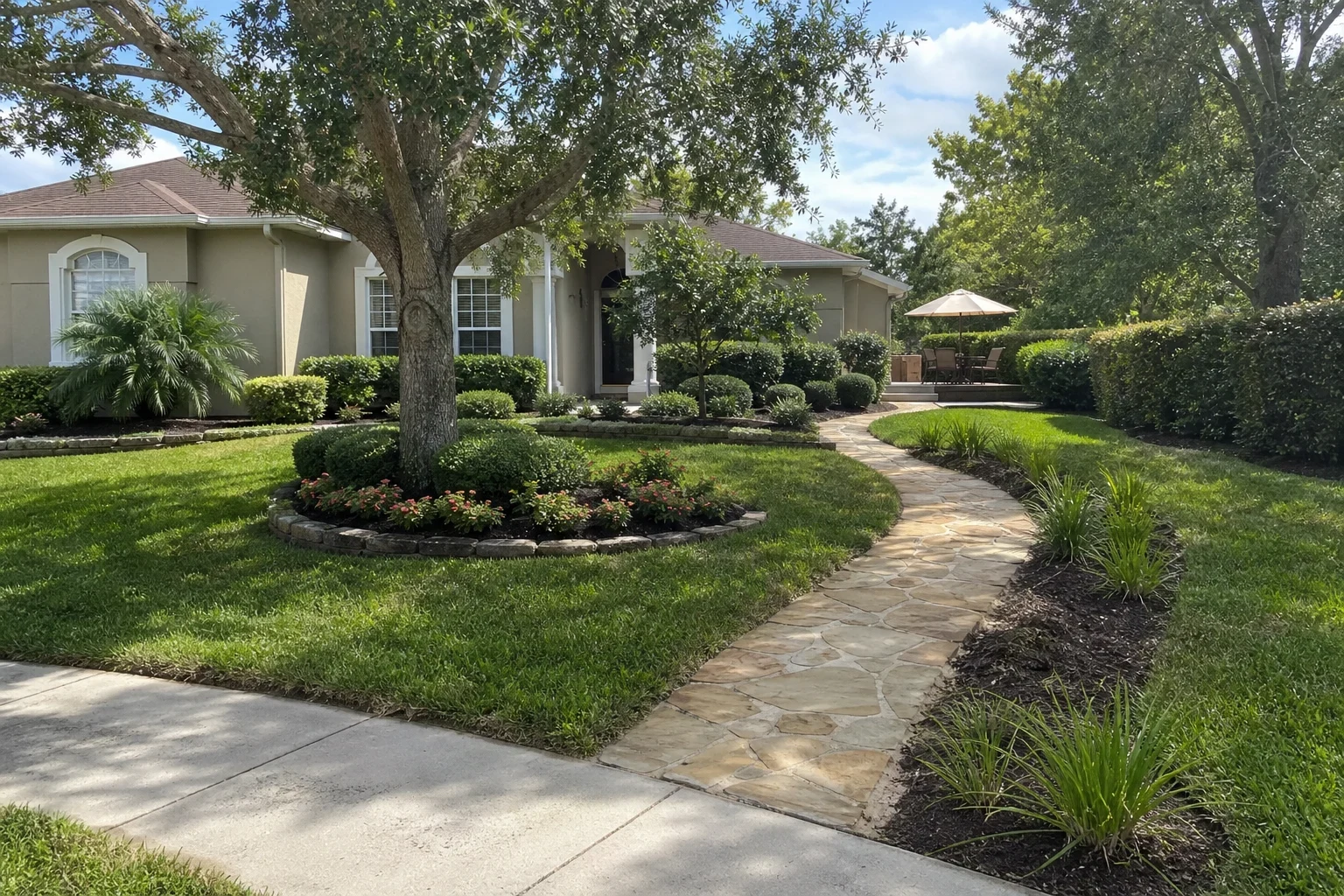
Let's Find Out Why Your Lawn Struggled
We'll walk your yard, show you what went wrong and explain what it takes to get grass that lasts. The visit and estimate are free.